Soul Zhang Lu’s Report Discusses Emotional Consumption and the New Youth Culture

Gone are the days when economic functionality and material necessity were the only two variables in the equation of consumer behavior. Like many other aspects of life, Gen Z has also turned this one on its head.
The CEO of Soul App, Zhang Lu, who is always keen to understand the changing dynamics of the everyday lives of young people, wanted to know more about what and why Zoomers are buying.
This led to the “2025 Gen Z Emotional Consumption Report”, which was a result of the joint efforts of Just So Soul, the research team of the social platform, and the Shanghai Youth Research Center. According to this study, for those born after 1995, consumption has evolved into a vehicle for emotional satisfaction and identity expression.
In fact, “emotional value” is no longer a luxury that only a few could and would choose. For today’s youth, it is an essential need. This shift became amply clear to the researchers when 90% of the respondents acknowledged the importance of emotionally relevant purchases and associated them with stress relief, a sense of recognition, motivation, and personal meaning.
Nearly 60% of the youngsters who participated in Soul Zhang Lu’s study confirmed that they were willing to pay for experiences or products that deliver emotional satisfaction. These figures illustrate that traditional economic calculations now bear distinct undertones of psychological priorities.
Historically, consumer culture has been linked to status, wealth, or practicality. However, Gen Z is turning consumption into a form of emotional self-care and social belonging. The rise of “happy consumption” and the pursuit of what young people call the “emotion-price ratio” demonstrate that spending is now evaluated as much for its therapeutic effects as for functional and financial value.
In fact, this sweeping sociological change makes it clear that the rise in emotional consumption is certainly not a passing fancy or an accidental occurrence. Instead, it is a strategic choice that is rooted in the structural realities of Gen Z’s world.
Today’s young people face a highly competitive educational environment, escalating workplace demands, and persistent social anxieties. Added to this is the uncertainty of long-term financial stability in an economy characterized by rapid change.
Put all these factors together, and it is easy to understand why youngsters have an overarching psychological need for relief and recognition. Emotional consumption is simply the path that Gen Z has chosen to fulfil this need.
From stress to anxiety and from loneliness to invisibility, emotional purchases are being used to battle them all. The surprising part is that these purchases, which offer emotional value, take on the role of both cause and effect for youngsters. While some use emotional spending as a mechanism of resilience, for others it represents a reward or even a celebratory ritual.
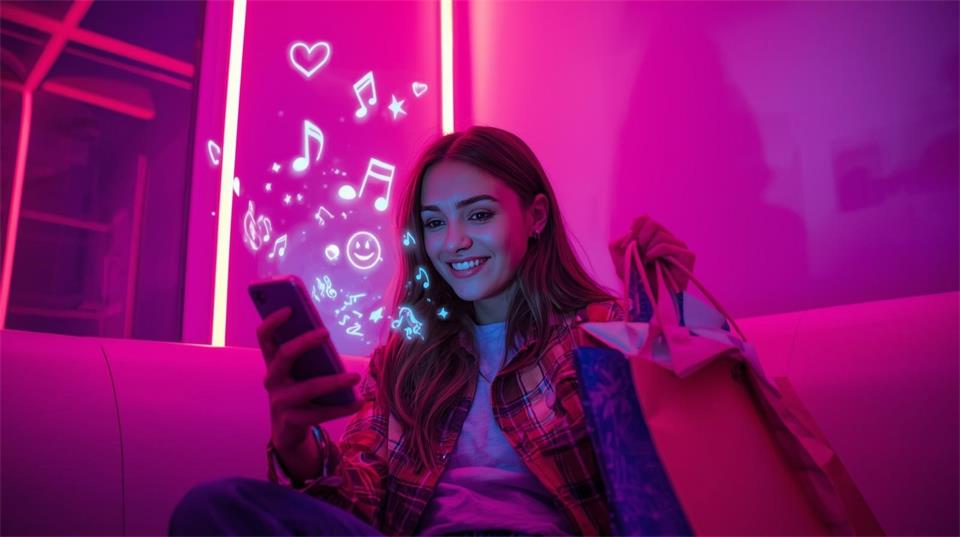
As far as actual purchases were concerned, Soul Zhang Lu’s research team found that experience consumption scenarios are coveted by those who seek emotional value from their purchases. Gen Z’s interest in live concerts, AI companions, park visits, and healing activities is gaining momentum every day. For instance, on Soul:
- Posts pertaining to experience spending, like concerts, grew by a massive 174.1% year on year, while those about healing witnessed a growth of 86.6%.
- Searches about AI companions also soared to 225,056 times year-on-year.
Soul Zhang Lu’s team noted that youngsters are only too happy to open up their wallets for products and services that offer value resonance, self-healing, and a sense of ritual. In addition to these, high-quality, original products that are visually impressive are also a hit among Gen Z.
Data collected by Soul Zhang Lu’s researchers also revealed that while 40% of the respondents spend more on physical goods and experience-based consumption, around 30% lean towards social relationships and digital consumption.
Of these emotional consumption categories, social relationship products/services attract the big bucks, with nearly a fourth of the respondents spending almost 1000 RMB monthly on them. Digital consumption is the most polarized, with the spending range fluctuating between a mere 100 RMB and over 1,000 RMB.
As far as demographic-wise spending was concerned, Soul Zhang Lu’s report revealed that emotional purchases of social services (such as companionship services) are particularly popular among the post-2005s, while digital consumption seems to have found exceptional favor among the post-2000s.
Also, men were found to be more inclined to make emotionally resonant purchases at 55%. In comparison, of the surveyed women, only about 44% admitted to spending on emotional value goods and services.
Another notable finding was that while 70% of emotional consumption enthusiasts have stable income, an increase in earnings correlated with lower emotional consumption. Likely, this correlation is attributed to the higher sense of security derived from a higher income.
Furthermore, Soul Zhang Lu’s researchers observed that youngsters with a disposable income of less than 5000 RMB displayed the highest demand for emotional consumption, as did Zoomers from new first-tier cities. For the former, the demand possibly stems from higher stress, and for the latter, it could be pinned on a strong desire to fit in.
Similarly, junior managers, students, freelancers, and ordinary workers had the strongest demand for emotion-linked purchases. Once again, this leads to the inference that a heightened sense of insecurity, anxiety, and instability sends youngsters running towards retail therapy.
When the data from Soul Zhang Lu’s survey is combined, it becomes obvious that emotional consumption is on the rise, and this shift in customer mindset will push businesses to offer products and services that align with the emotional needs of young buyers.
In essence, this study from the team of Soul Zhang Lu reveals that emotional consumption can be a valuable tool for short-term relief. When used wisely and in moderation, it can provide a much-needed respite from stress.
Moreover, it can serve as a stepping stone for youngsters to explore healthier coping mechanisms. By balancing their buying with community-based and meaningful engagement, they can foster a more fulfilling lifestyle. And for Gen Z, Soul Zhang Lu’s platform offers a supportive space to engage in such activities, promoting both personal growth and emotional well-being.