Common Mistakes People Make When Updating Their Home’s Interior
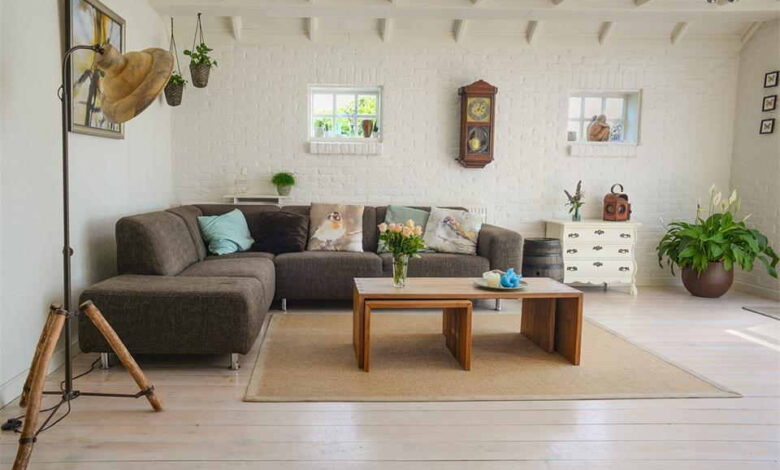
Updating your home’s interior can be exciting, whether you are refreshing one room or giving the whole property a new look.
However, it is easy to get carried away with colors, furniture, and trends without thinking about how everything will work together in the long run. A successful interior update is not just about making a space look stylish. It is also about creating rooms that feel comfortable, practical, and cohesive.
Following Trends Too Closely
Trends can be a great source of inspiration, but relying on them too heavily can make your home feel dated quickly. Bold colors, statement patterns, and fashionable finishes may look appealing online, but they do not always suit every space or lifestyle.
Instead of redesigning your home around a trend, use popular styles in smaller ways. Cushions, artwork, lamps, and decorative pieces can be changed easily if your taste evolves. Larger features, such as flooring, cabinets, and major furniture, should have more lasting appeal.
Forgetting About Practicality
A room can look beautiful but still be frustrating to use. One common mistake is choosing furniture, layouts, or finishes based only on appearance. For example, a pale fabric sofa might not be ideal for a busy family room, and oversized furniture can make a small space feel cramped.
Before buying anything, think about how the room is used every day. Consider storage, movement, cleaning, durability, and comfort. Good interior design should support your routine rather than make it harder.
Ignoring the Small Details
Many people focus on big changes, such as paint colors and furniture, while overlooking the smaller finishing touches. However, details like handles, hinges, lighting, trims, and switches can have a major impact on the overall finish.
Updating interior doors and hardware is a simple way to make a home feel more polished. Choosing quality fittings from Trade Door Handles can help tie a room together and give even older doors a fresher, more considered look.
Choosing Colors Without Testing Them
Paint colors can look very different depending on natural light, artificial lighting, and the size of the room. A shade that looks warm and soft in a store may appear too dark, too bright, or too cool at home.
Always test paint samples on different walls and view them at different times of day. This helps you avoid disappointment and makes it easier to choose a color that works with your furniture, flooring, and overall style.
Buying Everything at Once
It can be tempting to complete a room quickly, but buying everything at once often leads to rushed decisions. This can result in pieces that do not quite match, poor-quality purchases, or a space that lacks personality.
A better approach is to build the room gradually. Start with essential pieces, then add layers such as lighting, textiles, artwork, and accessories. This gives the space a more natural and lived-in feel.
Overlooking Lighting
Lighting is one of the most important parts of any interior update, yet it is often treated as an afterthought. A single ceiling light rarely creates the right atmosphere on its own.
Try combining different types of lighting, including ceiling lights, floor lamps, table lamps, and task lighting. This makes the room more flexible and helps create a warmer, more inviting atmosphere.