How to Find a Dog Harness That Holds Up on Every Walk
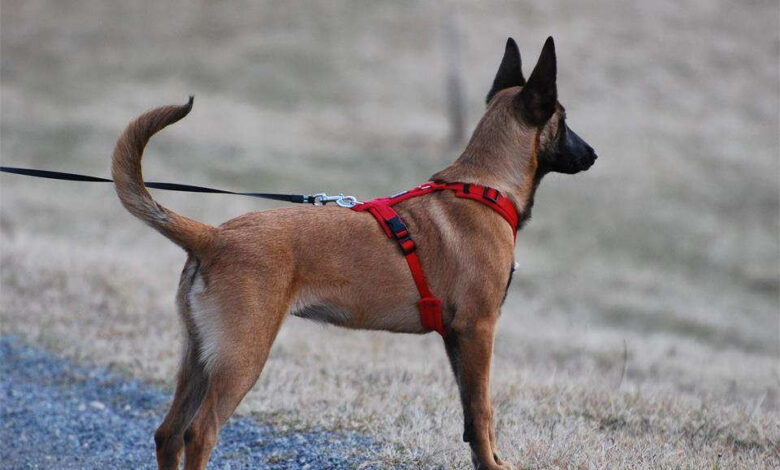
A harness does more than hold a leash clip. It affects breathing, shoulder reach, skin friction, and the safety with which a dog can be guided near cars or crowded sidewalks. Poor fit can shift pressure onto the trachea or rub behind the forelegs.
Better gear distributes force across the chest and rib cage. Careful selection starts with anatomy, daily routes, and the minor movement cues dogs show during each walk.
Start With Fit
Fit should begin at the chest, neck base, and shoulder line, since those areas shape comfort during motion. An adjustable dog harness for daily walks allows room for coat changes, muscle gain, and seasonal weight shifts. A sound fit lies flat, avoids skin drag, and allows two fingers to fit beneath each strap.
Check Pressure Points
Pressure belongs across the sternum and rib cage, not over the throat. A strap placed too low can limit shoulder extension. One set too high may compress soft tissue near the airway. Handlers should watch walking, turning, sitting, and sniffing. Shortened steps, pink skin, or repeated scratching can signal irritation before sores appear.
Measure Before Buying
Size labels cannot replace body measurements. A flexible tape should circle the widest section of the rib cage, where most harnesses anchor. Neck width and back length help confirm shape. Weight charts offer a rough guide, yet breed structure matters more. A lean sighthound and a stocky terrier may share weight but need very different strap ranges.
Study The Hardware
Hardware carries the sudden load from pulling, stopping, and leash correction. Buckles should close with a firm click and resist bending under hand pressure. Leash rings need smooth edges, stable stitching, and a flat seated position. Back clips often suit steady walkers. Front clips can redirect forward drive. Weak thread around these points fails before the fabric usually does.
Pick Durable Fabric
Daily walking exposes gear to rain, sweat, grit, road salt, and repeated washing. Fabric should feel smooth against skin yet structured enough to keep form. Narrow webbing can curl, creating a thin pressure line. Padding helps sensitive dogs, but damp cushioning may trap moisture. Breathable panels reduce heat buildup, especially in thick-coated breeds during warmer months.
Look At Adjustability
Adjustment points help the harness follow the dog, rather than forcing the dog into the harness. Neck and girth straps should move smoothly, then stay fixed during activity. After several turns, the body panel should remain centered. Excess strap length needs a secure keeper. Loose tails can slap, snag, or become tempting chew points during rest.
Match Walking Style
Walking habits should guide the final choice. A steady older dog may need light support with low friction. A young puller often benefits from better chest control. City routes demand dependable handling near curbs, traffic, and other dogs. Trail use calls for abrasion resistance. Short-legged breeds may need slimmer panels, while deep chests require longer girth capacity.
Test Safe Movement
A short indoor trial can prevent a painful outdoor mistake. The dog should step, turn, sit, and lower its head without hesitation. No panel should pinch behind the forelegs or gap across the chest. A gentle leash check can test security. If the dog backs away, the harness should stay in place without tightening around the neck.
Think About Care
Clean gear protects skin health. Mud should rinse out without harsh scrubbing, since residue can irritate folded areas near straps. Odor matters, too, especially for dogs wearing gear every day. Simple washing instructions are easier to follow. Fast drying helps prevent moisture rash. After wet walks, seams, padding, and clips should be checked before storage.
Balance Comfort And Control
Control works best when the dog can still breathe, sniff, and move normally. A secure harness should guide posture without causing fear or guarded steps. Reflective trim improves visibility during early or late walks. A low-profile handle may help with stairs, vehicles, or recovery care. Any added feature should sit flat and avoid pressing into the muscle.
Replace At The Right Time
No harness lasts forever. Color fading is minor, but frayed straps, cracked clips, loose stitching, or bent rings need attention. A hard lunge or fall deserves an immediate inspection. Growing puppies require frequent refitting as bones and muscles change. Regular checks protect the dog, the handler, and anyone nearby during longer outings or travel days.
Conclusion
A reliable harness respects canine anatomy first, then supports the routine around it. Fit, fabric, stitching, hardware, and adjustment all influence comfort under real walking conditions. The best choice should protect the airway, allow natural shoulder motion, and stay stable without rubbing.
With measurements, movement checks, and consistent care, families can make everyday walks safer, calmer, and kinder for every dog.