Your Ultimate Guide to Kitchen Plumbing
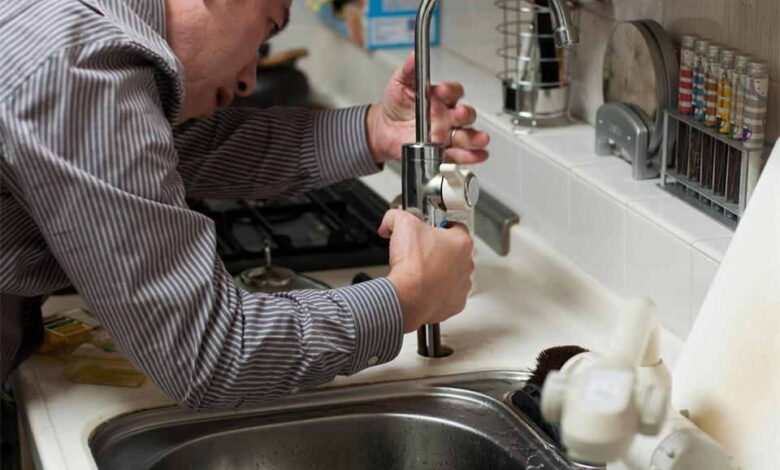
The kitchen is one of the busiest rooms in any home, and its plumbing system supports many of the daily tasks homeowners depend on. From cooking and cleaning to running appliances like dishwashers and garbage disposals, kitchen plumbing plays a major role in convenience, sanitation, and efficiency.
A well-maintained system helps prevent leaks, drainage issues, and water damage while supporting the overall comfort of the home.
When homeowners need professional help with kitchen and bathroom plumbing, it is important to work with experienced technicians who understand how every part of the system functions together.
Kitchen plumbing includes sinks, faucets, drains, shut-off valves, water supply lines, and appliance connections, all of which must work properly to keep the space safe and efficient. Even small issues in one area can quickly lead to larger and more expensive repairs if ignored.
Understanding the Basics of Kitchen Plumbing
A kitchen plumbing system may look simple on the surface, but it involves several important components working together behind the scenes. Clean water enters through supply pipes and is delivered to the faucet, dishwasher, and sometimes refrigerator water lines.
Wastewater exits through the drain system, passing through a trap that helps block sewer gases from coming back into the home.
Because the kitchen is used so frequently, these pipes and fixtures experience regular wear and tear. Over time, faucets can drip, drains can clog, and supply lines can weaken. Homeowners who understand these basics are often better equipped to identify early warning signs before a small inconvenience becomes a serious plumbing emergency.
Common Kitchen Plumbing Problems
Many kitchen plumbing issues begin with symptoms that seem minor at first. A slow drain, an occasional drip, or reduced water pressure might not seem urgent, but they can point to deeper issues within the plumbing system. Common kitchen plumbing problems include clogged sinks, leaking faucets, broken garbage disposals, pipe corrosion, and water line leaks.
Grease buildup is one of the biggest causes of kitchen drain clogs. Even when washed down with hot water, grease can cool and harden inside pipes, trapping food particles and creating stubborn blockages. Likewise, old pipes may begin to corrode or crack, especially in aging homes, leading to hidden leaks under sinks or behind walls.
The Importance of Preventive Maintenance
Preventive plumbing maintenance is one of the smartest ways to protect a kitchen and avoid costly repairs. Simple habits such as not pouring grease down the drain, using sink strainers, and checking for leaks under the sink can make a big difference. Regular inspections also allow homeowners to detect worn parts before they fail.
Professional maintenance goes a step further by ensuring that drains, supply lines, shut-off valves, and connected fixtures are all in good condition. This kind of proactive care not only extends the life of the plumbing system but also helps maintain water efficiency and reduce the risk of sudden breakdowns.
Kitchen Plumbing During Renovations
Kitchen remodeling projects often focus on visual upgrades like cabinets, countertops, and backsplashes, but plumbing should be a top priority as well. Installing a new sink, faucet, dishwasher, or refrigerator often requires plumbing adjustments to ensure everything is connected properly and up to code.
Renovations also present a great opportunity to replace aging pipes, upgrade water lines, and improve fixture performance. Modern plumbing fixtures can help conserve water while enhancing convenience and style. A professional plumber can assess the layout and make sure every element functions safely and efficiently in the new design.
Why Whole-Home Services Matter
Kitchen plumbing does not exist in isolation. It is one part of a home’s larger network of HVAC, plumbing, and electrical systems that all work together to support daily comfort. For example, hot water in the kitchen depends on a functioning water heater, while dishwashers and disposals also rely on safe electrical connections.
Ventilation and climate control in the kitchen are influenced by the home’s heating and cooling systems.
This is why many homeowners appreciate working with a full-service company that can address multiple household systems. Binsky Home Service is one example of a provider with broad expertise in residential HVAC, plumbing, and electrical services.
Their team offers 24/7 support for AC and heating installation and repair, furnace and boiler maintenance, plumbing repairs, water heater service, and electrical work such as wiring, outlets, and generator installations. This kind of comprehensive support helps homeowners maintain safe, efficient, and comfortable homes throughout the year.
Water Heater and Appliance Connections
The kitchen depends heavily on reliable access to hot water. Whether washing dishes, cleaning surfaces, or preparing meals, homeowners quickly notice when the water heater is not performing properly. Water heater issues can show up as inconsistent temperatures, low hot water supply, or unusual noises from the unit.
Appliance plumbing connections are also important. Dishwashers, refrigerators with water dispensers, and instant hot water systems all rely on secure plumbing lines. If these connections become loose or damaged, leaks can develop and cause costly water damage. Routine inspections help ensure that both water heater performance and appliance connections remain dependable.
Plumbing and Electrical Safety in the Kitchen
Because kitchens combine water, appliances, and power, safety is especially important. Plumbing leaks can damage nearby outlets, wiring, and electrical fixtures if not addressed quickly. On the other hand, electrical upgrades may be needed when adding new kitchen appliances or remodeling the space.
Professional electrical services are often just as valuable as plumbing support in kitchen projects. Tasks like installing outlets, updating wiring, and ensuring generator readiness can all improve safety and convenience. When plumbing and electrical professionals work together, homeowners can avoid code issues and ensure every system is installed correctly.
Signs It’s Time to Call a Professional
Some homeowners try to handle small kitchen plumbing issues on their own, but certain warning signs should always prompt a call to a licensed professional. These include recurring drain clogs, persistent leaks, water stains, mold growth, low water pressure, lack of hot water, and unusual odors from drains or pipes.
Professional plumbers can identify the real cause of the issue and provide long-term solutions instead of temporary fixes. This is particularly important in kitchens, where ongoing plumbing problems can affect hygiene, daily routines, and even the structural condition of cabinets and flooring.
Final Thoughts
Kitchen plumbing is essential to the comfort, cleanliness, and functionality of the modern home. From the faucet and sink to appliance connections and drainage systems, every part plays a role in supporting daily life.
By understanding the basics, staying proactive with maintenance, and seeking professional help when needed, homeowners can avoid major issues and keep their kitchens running smoothly.
It also helps to remember that kitchen plumbing is connected to the broader systems that keep a home operating year-round.
With support from experienced, homeowners can access trusted help for plumbing, HVAC, and electrical needs all in one place. That kind of expertise makes it easier to protect the home, improve efficiency, and enjoy greater peace of mind in every season.