Why Luxury Spaces Are Returning to Bespoke Painted Walls
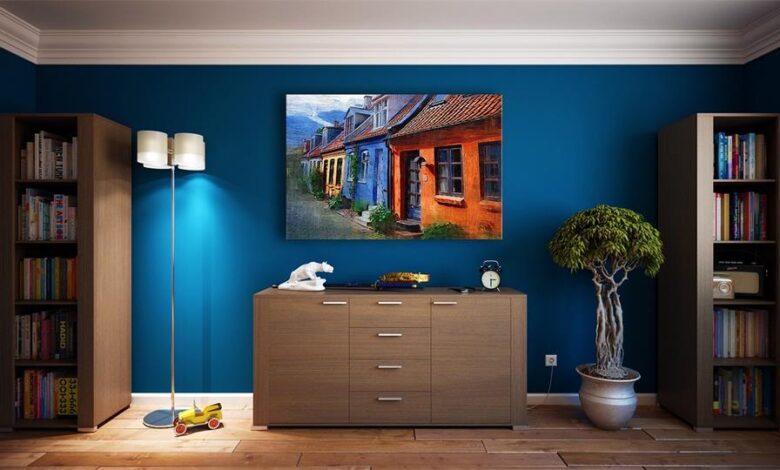
The luxury interior design landscape of 2025 is marked by a remarkable shift away from mass-produced wall treatments toward meticulously crafted, one-of-a-kind painted surfaces that transform living spaces into personalized, artistic sanctuaries.
This movement represents more than aesthetic preference, signaling fundamental changes in how affluent consumers define true luxury and authentic sophistication.
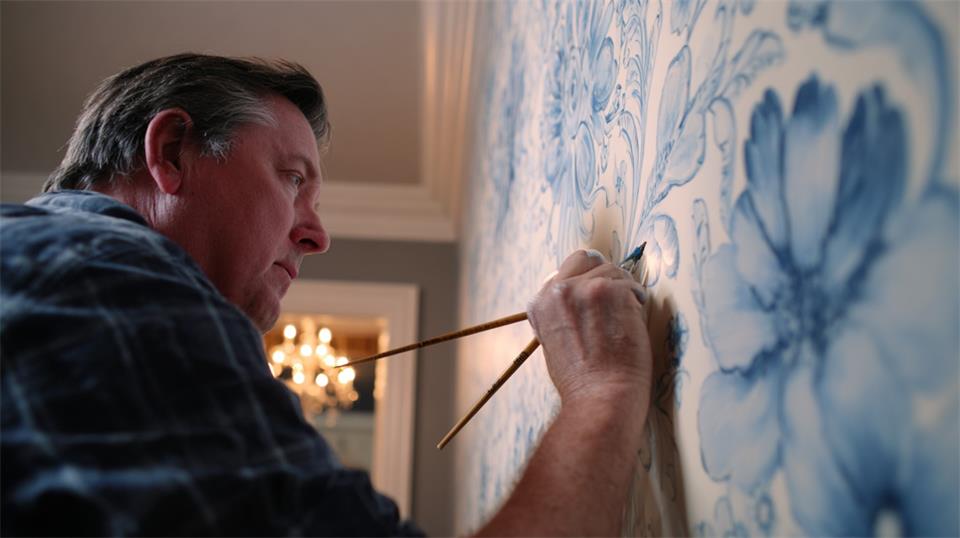
Professional services like a mural company in NYC report unprecedented demand from high-net-worth clients seeking artistic collaborations that eliminate standardized luxury elements from their environments.
Contemporary wealth holders increasingly reject cookie-cutter elegance in favor of commissioned work that reflects individual identity and celebrates human craftsmanship over industrial production.
The Cultural Shift Away from Mass Production in Luxury Interior Design
Industry analysis reveals that 73% of ultra-high-net-worth individuals prioritize unique artistic elements over recognizable luxury brands when planning major home renovations.
Post-digital age consumers are expressing a growing desire for authentic human craftsmanship that counterbalances the saturation of technology in daily life. Millennials and Generation Z luxury buyers demonstrate a particular appreciation for artisanal work, viewing handmade elements as antidotes to digital overwhelm and the homogeneity of mass production.
Social media influence paradoxically drives demand for uniqueness, as affluent individuals seek distinctive backgrounds that cannot be replicated or purchased by others seeking similar aesthetic goals.
The psychology of exclusivity among high-net-worth demographics emphasizes personal identity expression through private spaces rather than public status signaling.
Modern wealth holders increasingly value scarcity and authenticity over brand recognition, finding emotional connections through personalized environments that reflect their individual tastes and cultural sophistication. This shift represents a movement from conspicuous consumption toward meaningful luxury, which enhances daily living experiences.
Sustainability consciousness influences luxury consumption patterns through the adoption of a quality-over-quantity philosophy, which favors durable, locally created elements over disposable trends.
Environmental awareness drives material selection toward responsibly sourced options, while supporting local artisan communities aligns with values-based spending priorities that are increasingly important to contemporary luxury consumers.
Market Analysis of Luxury Wall Treatment Trends and Consumer Investment Patterns
Market research indicates a 45% decline in high-end wallpaper sales among luxury residential projects, while commissioned wall art investments increased 67% over the past three years.
Declining demand for premium wallpaper reflects consumer fatigue with mass-produced options that appear in multiple luxury properties, reducing the exclusivity appeal essential to high-end market psychology.
Designer brand saturation creates ubiquity concerns among affluent buyers who discover their expensive selections duplicated in other luxury homes. Limited customization options within even premium wallpaper collections fail to satisfy personalization desires, driving contemporary luxury design decisions.
Budget allocation shifts demonstrate growing preference for bespoke services over manufactured luxury goods, with wealthy homeowners dedicating increasing portions of renovation funds toward artistic collaborations and commissioned work.
Professional service premiums gain acceptance as luxury consumers recognize value in accessing exclusive artisan networks and custom creation capabilities unavailable through retail channels.
Regional variations in the adoption of custom wall art reflect cultural attitudes toward craftsmanship appreciation, with established art markets showing higher integration rates than emerging luxury regions.
The development of local artist ecosystems in affluent areas creates competitive advantages for communities that support artisan networks. At the same time, the influence of international design trends accelerates the global adoption of bespoke wall treatment preferences.
The Artisan Renaissance and Craftsmanship Celebration in Modern Luxury Environments
Artisan skill development programs report 85% enrollment increases, with luxury residential commissions comprising the fastest-growing market segment for traditional decorative painters
Master painter revival brings classical fresco and decorative techniques back into contemporary luxury applications through skilled craftspeople trained in traditional European methods.
Apprenticeship programs preserve cultural heritage while adapting historical techniques for modern architectural requirements and lifestyle preferences. Cross-cultural integration fosters innovative approaches that combine international artistic traditions within a single luxury installation.
Technology integration enhances rather than replaces human artistry through digital design tools that improve client collaboration and project visualization.
Three-dimensional rendering capabilities allow homeowners to experience proposed designs before implementation, while precision tools enable artists to achieve exceptional quality that surpasses historical standards. Documentation and preservation technologies capture artistic processes for future maintenance and the recording of cultural heritage.
The impact of celebrities and influencers accelerates artisan appreciation trends through high-profile commissioned work that receives extensive media coverage and social sharing.
Celebrity interior designer collaborations with traditional artists elevate the recognition of craft, while influencer culture drives demand for unique content backgrounds that showcase individual sophistication and cultural awareness.
Investment Value and Financial Justification for Bespoke Wall Treatments
Real estate appraisal data shows luxury properties with commissioned wall art command 8-15% premiums over comparable homes with standard luxury finishes.
Enhancing property value through unique artistic features creates competitive advantages in luxury real estate markets, where buyers seek distinctive elements not found in standard high-end properties.
Custom wall treatments differentiate listings while attracting buyers who appreciate artistic sophistication and cultural investment. Appraisal considerations increasingly recognize commissioned artwork value, especially when executed by established artists with documented professional credentials.
A cost-per-year analysis favors durable custom painting over replaceable treatments due to its longevity advantages, which extend the useful life beyond traditional luxury finishes.
Maintenance projections indicate that professionally painted systems require less frequent updating than wallpapers or other applied treatments. At the same time, total ownership costs favor an initial higher investment in permanent artistic installations over cyclical replacement expenses.
Art investment potential provides financial justification through the growth of an artist’s reputation, which can increase the value of wall installations over time.
Documentation and provenance establishment protect future value, while insurance considerations recognize commissioned wall art as valuable property assets worthy of specific coverage and professional appraisal.
Personalization and Identity Expression Through Custom Wall Art Creation
Consumer psychology studies indicate that personalized luxury environments increase homeowner satisfaction scores by 40% compared to professionally decorated spaces using standard luxury elements.
Lifestyle reflection through custom wall art enables wealthy homeowners to incorporate travel experiences, cultural influences, and personal interests into permanent artistic installations that celebrate individual identity.
Family history integration and heritage representation create meaningful connections between personal narrative and living space design, while career achievements and professional identity find expression through sophisticated artistic interpretation.
Collaborative design processes strengthen client-artist relationships through extended creative partnerships that develop over the course of project timelines and continue through maintenance and future commission relationships.
Creative collaboration benefits both parties through artistic challenge and client satisfaction, while ongoing artist relationships provide continuity for property modifications and artistic evolution.
Adaptability planning accommodates changing personal preferences through modular design elements and flexible artistic frameworks that allow future modifications without complete reinstallation.
Life stage transitions are considered through designs that are capable of evolution, while family growth and changing needs are integrated into long-term artistic planning strategies.
Technical Advantages and Professional Implementation Benefits
Engineering analysis demonstrates that custom-painted systems adapt to architectural irregularities 300% more effectively than manufactured wall treatments, reducing installation complications and improving longevity.
Surface condition accommodation enables custom painting to address wall irregularities and architectural challenges that standard luxury treatments cannot overcome.
At the same time, seamless integration with existing details preserves the historical character of the building and enhances its architectural features. Challenging surface solutions become possible through the expertise of professional artists in material adaptation and modification of application techniques.
Climate and environmental adaptation optimize longevity by considering regional factors in material selection and application methods, which account for local humidity, temperature fluctuations, and UV exposure patterns.
Professional maintenance services offer ongoing care that preserves artistic quality, providing a convenient solution for busy luxury homeowners who value professional expertise and guaranteed results.
Professional network evolution supports bespoke wall art through the specialization of interior designers and established artist collaboration systems, ensuring quality outcomes and efficient project management.
Luxury home builder integration enables the coordination of construction timelines, while art consultant services provide expertise in artist selection and quality assurance throughout the commission process.