How to Plan Home Improvements Right After Moving In
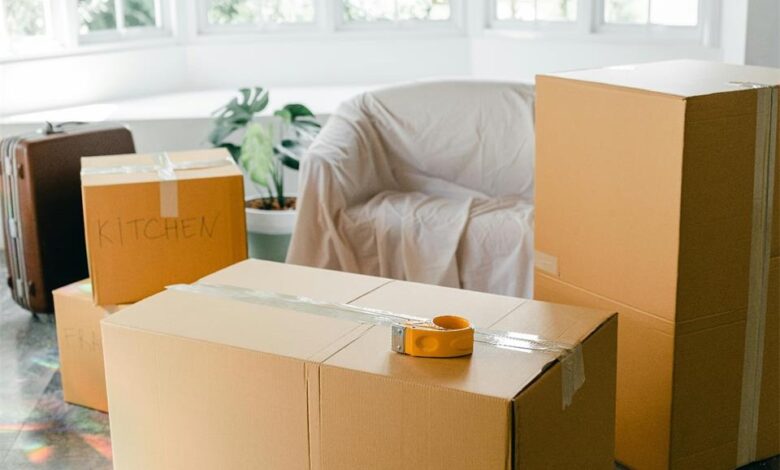
Moving into a new home is one of life’s biggest milestones. It’s exciting to start fresh, unpack your belongings, and imagine all the ways you’ll make the space truly yours. At the same time, it can also feel overwhelming. You may want to tackle renovations right away, but rushing into big projects without a clear plan can lead to stress and unnecessary expenses.
If you’ve recently relocated to a city like Miami, you already know that settling in comes with unique challenges. From dealing with traffic to navigating the warm, humid climate, the moving process can feel like an obstacle course.
That’s why working with reliable professionals during your move makes such a difference; they can take the burden off your shoulders so you can focus on what comes next. Once your move is complete, you’ll be ready to shift your attention to home improvements. Here’s how to plan them in a way that’s smart, efficient, and stress-free.
Settling In First: Why Choosing the Right Moving Partner Matters
Before diving into remodeling or decorating, it’s important to start with a smooth transition into your new home. The process itself can be tiring, and if it becomes disorganized or stressful, you’ll be too exhausted to think about improvements.
This is especially true when moving in a busy city like Miami, where logistics can add another layer of complexity. That’s why finding the right partner for your relocation makes all the difference.
If you are looking for help, a professional Miami moving company is the best choice to keep the entire process organized and worry-free. With professionals handling packing, transport, and even storage solutions, you won’t have to worry about damage or delays.
When the moving process is seamless, you’ll be better prepared to start evaluating what your home truly needs. With everything in place, you can shift from the chaos of moving to the exciting stage of planning improvements with clarity and confidence.
Take Time to Observe Your New Home
Even if you’re eager to renovate right away, it’s best to live in your new home for a few weeks before making big decisions. This period allows you to observe how the house functions day to day. You’ll start to notice things that weren’t obvious during your initial walk-through like which rooms get the most natural light, whether certain spaces feel too cramped, or how the layout affects your routines.
Keep a notebook handy and jot down your observations. Does the kitchen feel too dark in the mornings? Is there enough storage for your family’s needs? Do certain rooms feel drafty or noisy? These insights will help you create a thoughtful list of priorities. By taking time to understand your space, you’ll avoid making rushed improvements that may not suit your lifestyle in the long run.
Prioritize Safety and Essential Repairs
Once you’ve settled in and observed your new space, your first focus should be on safety and functionality. While cosmetic upgrades are fun, they shouldn’t come before essential repairs. Addressing potential hazards early ensures your home is both comfortable and secure.
Start with basics like checking the electrical system, plumbing, and HVAC. Look for signs of leaks, outdated wiring, or ventilation issues. Roof inspections are also important, especially if your home is older or has been through heavy weather. If you’re unsure, consider scheduling professional inspections to get a clear picture of what needs attention.
Fixing these essentials first may not be glamorous, but it prevents small issues from turning into costly problems later. Once you know your home’s systems are safe and reliable, you’ll have peace of mind as you move on to cosmetic or comfort-focused upgrades.
Budgeting and Setting Realistic Goals
Home improvements can quickly become expensive if you don’t plan carefully. That’s why creating a budget early is one of the most important steps you can take. Start by dividing your projects into two categories: must-haves and nice-to-haves. This helps you focus on critical upgrades while still leaving room for personal touches.
Do some research on average costs for the projects you’re considering, and always get multiple quotes before committing to contractors. It’s also wise to add a cushion around 10 to 20 percent of your budget for unexpected expenses. Renovations rarely go exactly as planned, and having extra funds set aside can reduce stress when surprises arise.
Finally, remember that improvements don’t have to happen all at once. By setting realistic goals, you’ll make steady progress without overwhelming yourself financially or emotionally.
Start with High-Impact, Low-Cost Changes
If you’re not ready to take on major renovations, small updates can make a big difference. Starting with high-impact, low-cost projects allows you to feel more at home while you plan bigger changes.
Painting is one of the easiest ways to refresh your space. A new coat of paint can brighten a room, add personality, and make your home feel instantly updated. Swapping out light fixtures, upgrading cabinet hardware, or installing new window treatments are other simple projects that provide immediate results.
Plan Big Renovations Strategically
When it comes to major projects like remodeling a kitchen, upgrading a bathroom, or replacing flooring, strategy is key. Big renovations require more time, money, and coordination, so planning ahead is essential.
Start by deciding which projects need to happen sooner rather than later. For example, if your kitchen layout makes cooking difficult, it might be worth tackling right away. On the other hand, if you’re considering finishing a basement or adding landscaping, those may be projects you can schedule later.
Work closely with contractors to establish clear timelines and expectations. Ask for written estimates and contracts to avoid misunderstandings. Whenever possible, renovate one room at a time to minimize disruption to your daily life.
Moving into a new home marks the start of an exciting chapter, but the journey doesn’t end once the boxes are unpacked. Planning home improvements with patience and strategy ensures that your house becomes both functional and uniquely yours.
From working with a dependable moving partner to prioritizing safety, setting a realistic budget, and gradually personalizing your space, every step brings you closer to creating the home you’ve envisioned.
Remember, it’s not about rushing into renovations but about making thoughtful decisions that stand the test of time. With the right approach, your new home will not only meet your needs but also reflect who you are for years to come.