Understanding the Link Between Military Service and Asbestos-Related Diseases
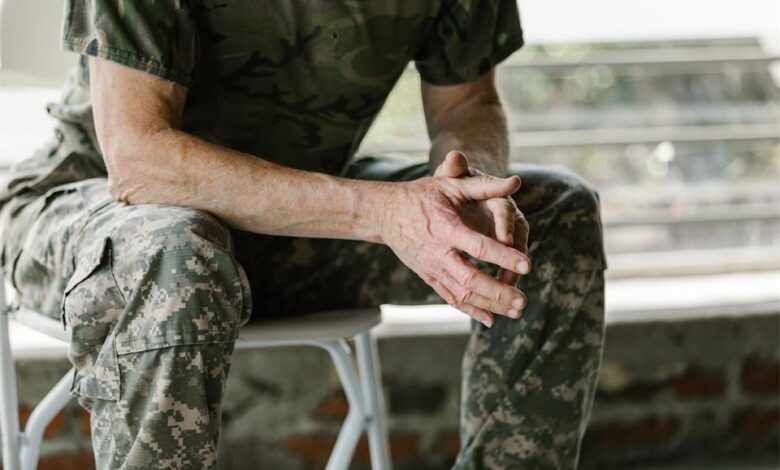
In the last century, our veterans made the ultimate sacrifice for decades, compromising their lives and health for the betterment of our country. The immediate combat danger they faced is well known and understood, but they also faced other secondary risks during their service. Asbestos exposure is probably the most notable secondary risk most veterans faced while on duty.
This invisible mineral is known to cause life-threatening diseases like mesothelioma, asbestosis, and lung cancer. In this guide, we’ll explain the link between military service and asbestos-related diseases as well as the symptoms veterans should watch out for.
Why Military Veterans Have Higher Rates of Asbestos Exposure
Compared to the wider population, military veterans are highly likely to develop asbestos-related illnesses. The numbers are sobering: of all mesothelioma diagnoses, veterans account for about 30% of those cases. That’s quite a high number considering the fact that veterans make up about 7% of the population.
This elevated risk is largely linked to the extensive use of asbestos in the U.S. military in the 1900s. From the 1930s through the early 1980s, the material was widely used in military buildings, ships, vehicles, machinery, and protective equipment because of its heat resistance and insulating properties.
Asbestos is highly durable, heat-resistant, and cheaper compared to other materials, which explains why it was a common component in aircraft, ships, and barracks. A lot of veterans were unknowingly exposed daily, usually without protective gear and unaware of the health risks it posed.
Which Military Branches and Occupations Had the Highest Asbestos Exposure Risks?
Different military roles had different exposure risk levels. Personnel in certain branches and specialized roles encountered asbestos more frequently because of the equipment, buildings, and working environments involved.
For instance, Navy personnel encountered significant asbestos exposure, especially aboard older vessels. The material was incorporated into shipboard insulation, electrical equipment, valves, boilers, and machinery to withstand high temperatures.
It was also found in various crew quarters and common areas. Sailors involved in equipment maintenance, renovation, or demolition could disturb asbestos-containing materials and release harmful fibers into poorly ventilated spaces. Here are naval occupations that had greater potential for asbestos exposure:
- Engine room mechanics and boiler operators
- Shipfitters and hull maintenance specialists
- Pipefitters and plumbing technicians
- Damage control specialists
- Electricians handling or working near asbestos-insulated wiring
- Shipyard personnel involved in vessel construction, maintenance, and repairs
Other army occupations with increased potential for asbestos exposure included:
- Construction engineers and military building crews
- Mechanics servicing tanks and other armored vehicles
- Facilities maintenance and repair personnel
- Heating, ventilation, and air conditioning technicians
- Workers installing or replacing insulation materials
Symptoms Veterans Should Watch Out For
The importance of recognizing the symptoms of asbestos-related illnesses cannot be stressed enough. These diseases have similar respiratory symptoms that emerge slowly and may become more severe as the disease progresses. Here are the key symptoms veterans should be on the lookout for:
- Breathlessness that becomes more noticeable during physical exertion
- A persistent, dry cough that continues despite treatment
- Discomfort, pressure, or pain in the chest
- Ongoing tiredness and reduced stamina
- Wheezing or crackling noises during breathing
- Increased breathing difficulty when lying flat
- Weight loss without an obvious cause
- Enlargement or rounding of the fingertips in advanced cases
If you notice any of these signs, be sure to consult a specialist within the Atlanta VA network of military hospitals. You also want to talk to a lawyer to help you apply for military benefits.
Endnote
It’s evident that veterans are at a higher risk of developing asbestos-related illnesses compared to other people. These diseases are difficult and expensive to treat, but fortunately, the VA offers numerous benefits to ailing veterans, which makes life easier for them.